A car is more than a means of transportation. For many drivers, it is also a place where they spend considerable time commuting, running errands, traveling with family, or visiting unfamiliar destinations. Choosing useful car accessories involves understanding what a product actually does, how it fits the vehicle, and whether it solves a problem the driver experiences regularly.
The market offers everything from simple storage organizers to sophisticated electronic devices. However, the most expensive accessories are not necessarily the most practical. A well-chosen phone holder may be more useful than a complicated electronic device that rarely leaves its packaging. Similarly, a reliable tire pressure gauge can provide greater everyday value than a decorative accessory with no practical function.
Why Practical Car Accessories Matter
Vehicle accessories are useful when they perform a clear function. Some help drivers keep essential objects within reach, while others support vehicle maintenance, improve interior organization, or provide additional information about road conditions.
For example, a compact organizer can prevent small items from moving around the cabin. A portable tire inflator allows drivers to adjust tire pressure when a suitable power source is available. A dash camera can record footage that may be useful when reviewing a road incident. Each product offers a different benefit, and its value depends on how often the driver needs that function.
Before adding equipment to a vehicle, consider three basic questions: What problem does it solve? Is it compatible with the car? Can it be used without creating unnecessary distractions or interfering with existing vehicle systems? These questions help distinguish practical purchases from products that may look appealing but offer limited value.
Smartphone Holders and In-Car Organization
Smartphones are commonly used for navigation, car care products communication, and access to travel information. A suitable phone holder can keep the device in a stable position, but placement is just as important as the holder itself.
Vent-mounted holders have different advantages and limitations. A dashboard mount may provide a convenient viewing angle, although its adhesive or suction mechanism must be compatible with the mounting surface. Vent-mounted holders can be compact, but some may obstruct airflow or place additional weight on delicate vent components. Windshield mounts should be positioned only where permitted and where they do not obstruct the driver's view.
When comparing phone holders, examine the grip mechanism, supported device dimensions, adjustability, and stability on uneven roads. Magnetic models also require compatible mounting components. A holder that works well with one smartphone may not accommodate another device fitted with a thick protective case.
A good mounting position supports navigation without encouraging unnecessary screen use. Drivers should configure navigation and other essential functions before moving and follow local rules governing mobile devices.
Other organizational accessories can be equally helpful. Console trays, seat-back pockets, trunk organizers, and cable clips provide designated places for everyday items. Their usefulness depends on secure installation and whether they interfere with seat movement, airbags, pedals, or passenger access.
Understanding Practical In-Car Electronics
Dash cameras are among the better-known examples of modern automotive gadgets electronics. They record video while the vehicle is operating, and some models offer additional features such as parking recording, GPS data, or connectivity with a smartphone.
A high resolution figure does not guarantee clear recordings in every situation. Lens performance, sensor sensitivity, exposure control, compression, and lighting conditions all influence the final result. Nighttime recordings can be particularly challenging because headlights, reflections, and rapidly changing light levels affect visibility.
Drivers should also consider the camera's field of view. A wider angle captures more of the surrounding scene, but an excessively wide view may make distant objects appear smaller. The best balance depends on the vehicle, mounting position, and intended use.
Storage requirements deserve attention. Many dash cameras record continuously and overwrite older files when the memory card becomes full. A suitable high-endurance memory card may be preferable for frequent recording, provided it meets the camera manufacturer's specifications.
Proper mounting is essential for reliable operation. The device must not obstruct the road view or interfere with vehicle safety equipment. If hardwiring is required, professional installation may be appropriate. Parking surveillance features also need suitable power management to avoid unnecessarily discharging the vehicle battery.
Practical Automotive Tools for Everyday Drivers
Maintaining the correct tire pressure contributes to predictable handling, tire performance, and efficient vehicle operation. A portable inflator can be a useful accessory, particularly when a driver needs to add air away from a service station.
Portable compressors differ in their power requirements, operating speed, maximum rated pressure, and supported tire sizes. Some connect to a vehicle's 12-volt outlet, while others use rechargeable batteries. Before purchasing, verify that the device is suitable for the vehicle's tires and that its power requirements match the available connection.
A digital pressure display can simplify operation. However, built-in gauges can vary in accuracy. Drivers should follow the pressure specified by the vehicle manufacturer, usually found in the owner's manual or on the vehicle's tire information label, rather than relying on the maximum pressure printed on the tire sidewall.
Tire pressure should normally be checked when the tires are cold, according to the vehicle manufacturer's instructions. Portable inflators are useful for correcting low pressure, but they do not repair punctures, damaged sidewalls, or other mechanical problems.
Additional equipment may include a flashlight, a suitable tire pressure gauge, a warning triangle where required, and basic emergency supplies. The exact contents of a vehicle kit should reflect local regulations, driving conditions, and the manufacturer's recommendations.
Keeping Your Vehicle Interior Clean
A clean vehicle interior is easier to use and more pleasant for passengers. Dust, crumbs, dirt, and moisture accumulate gradually, particularly in cars used for commuting, transporting children, or carrying sports equipment.
Compact car vacuum cleaners can help remove loose debris from seats, floor mats, and accessible storage compartments. Their performance depends on suction, nozzle design, battery capacity, filtration, and the type of material being cleaned.
A compact device may be sufficient for occasional cleaning, while heavily soiled interiors may require more powerful equipment. Crevice attachments can help reach narrow spaces between seats and around console components.
Cleaning products should always be appropriate for the surface. Leather, fabric, plastic, glass, and coated displays may require different methods. Abrasive materials can damage finishes or protective coatings, so checking product instructions and testing an inconspicuous area is sensible.
Microfiber cloths, soft brushes, and reusable organizers can support routine cleaning. Keeping a small collection of suitable tools in the trunk or garage makes it easier to address minor messes before they become difficult to remove.
Lighting Accessories and Electrical Compatibility
Lighting products are another popular category of automotive accessories. Some are intended for interior convenience, while others relate to exterior visibility or decorative applications.
Interior LED lights may illuminate storage compartments, footwells, or other areas. Before installation, verify their electrical requirements and ensure that their placement does not create distracting reflections or glare.
Exterior lighting requires greater caution. Not every aftermarket light is suitable for public-road use. Requirements differ between jurisdictions and may involve beam patterns, color, brightness, certification, and compatibility with the original lighting system.
Replacing an existing bulb with a different technology can change how a headlamp distributes light. For this reason, compatibility should not be judged solely by connector shape or advertised brightness.
Electrical accessories should also be installed with appropriate protection and wiring. Overloaded sockets, poorly routed cables, and unsuitable adapters can cause failures or create safety hazards. When an installation involves the vehicle's electrical system, professional advice may be appropriate.
A Practical Checklist for Automotive Purchases
A useful purchasing decision begins with compatibility. Even accessories that appear universal may have important limitations.
Consider the vehicle's make, model, production year, available mounting locations, electrical connections, and interior dimensions. For electronic devices, examine voltage requirements, charging methods, supported storage media, and any necessary software.
Build quality also matters. A phone mount with a weak joint may move during driving, while a poorly constructed storage organizer may lose its shape under regular use. Product descriptions can help identify materials and specifications, but they should be considered alongside credible user feedback and manufacturer documentation.
Convenience should influence the final choice. A gadget that requires extensive setup every time the car is used may be less useful than a simpler alternative.
It is also worth considering maintenance. Rechargeable products need charging, dash cameras require storage checks, and cleaning devices need filter maintenance. Choosing equipment with readily available replacement components can improve long-term practicality.
Budget decisions are easier when purchases are prioritized. Start with products that address frequent problems, then consider occasional-use equipment and optional comfort accessories.
Matching Car Gadgets to Everyday Needs
Different drivers benefit from different combinations of equipment. Someone who spends most of the week driving through a city may value a stable navigation mount, compact organizer, and easy-to-use charging accessories.
A driver who regularly travels long distances may place greater importance on tire maintenance equipment, luggage organization, a dash camera, and suitable emergency supplies.
Families may benefit from washable seat protection, secure storage compartments, and accessories that simplify cleaning after trips. Drivers transporting work equipment may need robust trunk organizers and solutions for securing loose objects.
A personalized selection is usually more practical than purchasing every available gadget. Reviewing common inconveniences during a typical week can reveal which products deserve attention first.
Online automotive stores such as CrazyTachka official website provide a starting point for exploring categories of car accessories, electronics, and vehicle care equipment. Product specifications should still be checked individually to confirm suitability for a particular vehicle and intended application.
What Drivers Should Check Before Ordering
One common mistake is choosing an accessory based primarily on appearance. Attractive packaging and impressive advertising claims do not necessarily indicate reliable performance.
Another problem is overlooking dimensions. A storage box may be too large for the intended compartment, while a phone holder may not accommodate a particular dashboard design.
Drivers sometimes underestimate electrical requirements. A device may need more power than an existing USB port can provide, or its connector may be incompatible with the vehicle's available sockets.
Safety and visibility should never be compromised for convenience. Avoid placing objects where they could obstruct mirrors, airbags, pedals, or essential controls.
Finally, consider whether the product will actually be used. A compact, reliable tool that addresses a recurring need is often a better purchase than several specialized gadgets with no clear purpose.
A Smarter Approach to Vehicle Equipment
A thoughtful selection of vehicle equipment can improve convenience and organization. The objective is not to fill the car with devices, but to choose products that complement the driver's routine.
Start with essential needs such as phone positioning, basic tire care, and auto detailing products secure storage. Add electronics or cleaning equipment when their functions are genuinely relevant. Check compatibility, installation requirements, product quality, and ongoing maintenance before making a decision.
As driving habits change, the accessory collection can change as well. A product that is valuable for regular highway journeys may be unnecessary for someone who rarely leaves the city.
Choosing accessories according to real driving needs creates a more practical vehicle setup. Well-selected equipment can make everyday journeys more organized, convenient, and comfortable.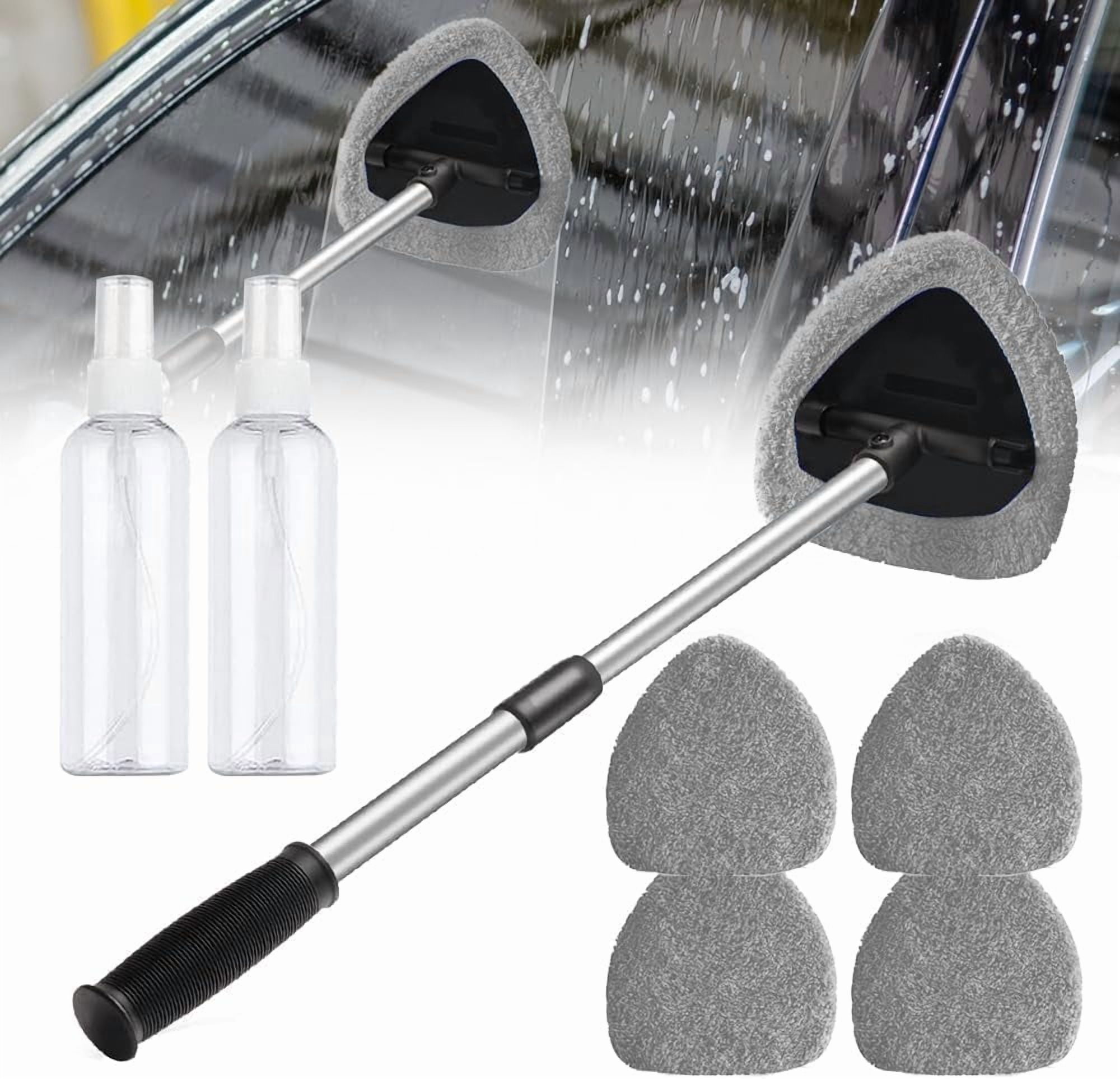

Сервис, диагностика, ремонт, ТО Toyota
ТОЙОТАРЕМОНТ СЕРВИС