
The aviation industry has seen a significant rise in demand for private jets, particularly small private jets, over the past decade. These aircraft are increasingly favored by business executives, entrepreneurs, and affluent individuals seeking efficiency, convenience, and luxury in air travel. This report provides an in-depth analysis of the small private jet market, focusing on the types of jets available, their features, pricing, and the factors influencing buyer decisions.
Overview of Small Private Jets
Small private jets, often categorized as light jets and very light jets (VLJs), typically accommodate 4 to 8 passengers and are designed for short to medium-haul flights. They offer a range of benefits including reduced travel time, access to smaller airports, and the ability to fly directly to the destination without layovers. Popular models in this category include the Cessna Citation Mustang, Embraer Phenom 100, and the HondaJet.
Types of Small Private Jets
- Very Light Jets (VLJs): These jets are the smallest in the private jet category and are designed for short-range flights. They generally have a maximum takeoff weight (MTOW) of up to 10,000 pounds. Examples include the Cirrus Vision Jet and the Eclipse 500. VLJs are known for their cost-effectiveness and fuel efficiency, making them ideal for short trips.
- Light Jets: Light jets offer a bit more space and range compared to VLJs. They typically have an MTOW of 10,000 to 20,000 pounds and can accommodate more passengers. If you enjoyed this information and you would like to get more info relating to private air charter companies; right here, kindly see our web page. Popular models include the Cessna Citation CJ3 and the Learjet 75. Light jets are versatile, capable of flying longer distances while still being economical.
- Midsize Jets: While not classified as small jets, midsize jets bridge the gap between light jets and larger aircraft. They can carry more passengers and have a longer range, making them suitable for cross-country flights. Models like the Hawker 800XP and the Citation XLS+ fall into this category.
Key Features of Small Private Jets
When considering small private jets for sale, buyers should evaluate several key features:
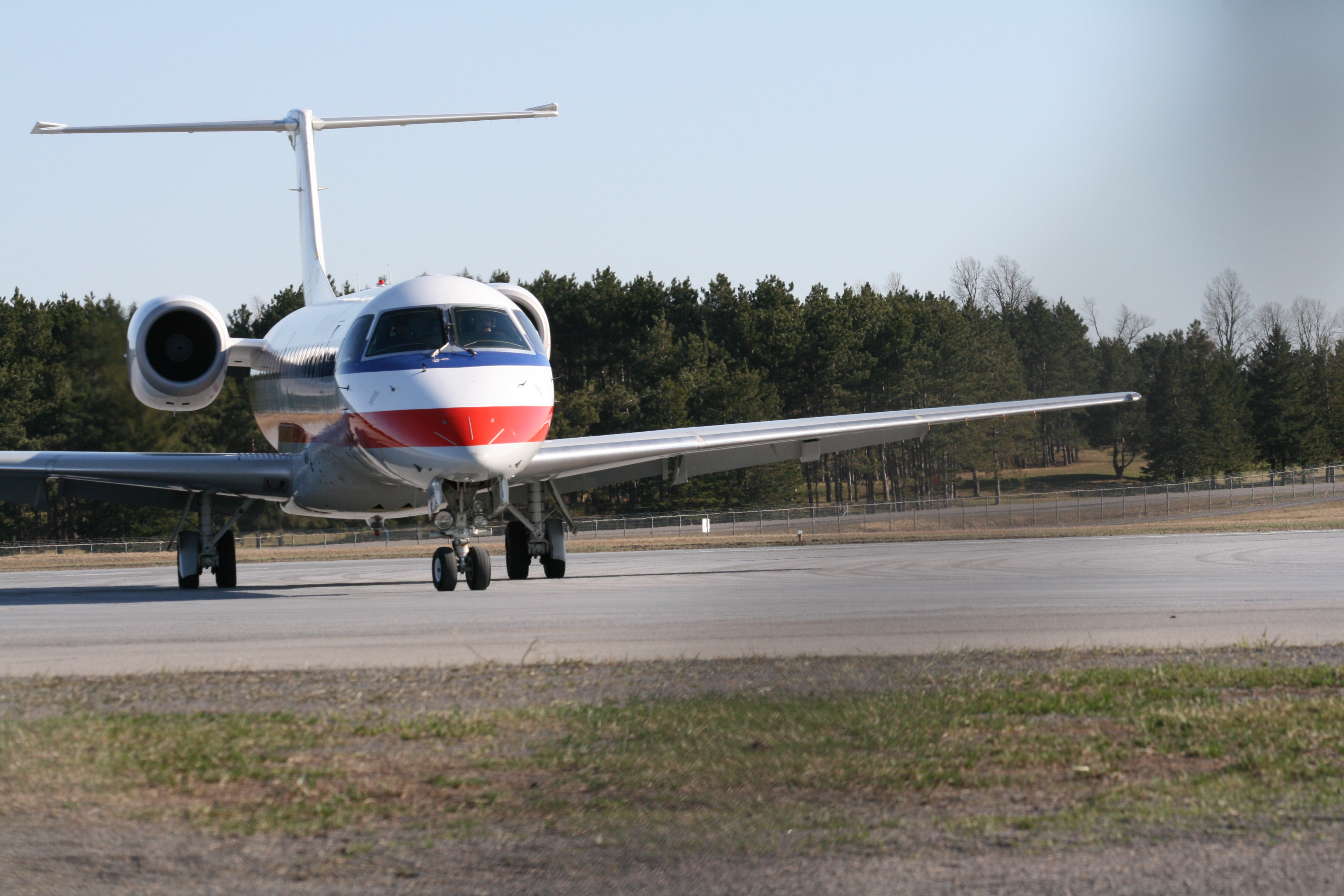
- Range: The maximum distance a jet can fly without refueling is crucial. Small jets typically have a range of 1,200 to 2,500 nautical miles, allowing for non-stop flights to many domestic and international destinations.
- Speed: Small jets usually cruise at speeds between 300 and 500 knots, enabling quick travel times. The faster the jet, the more efficient the travel experience.
- Cabin Comfort: Features such as cabin height, seating configuration, and amenities (like Wi-Fi, entertainment systems, and galley facilities) greatly influence the comfort level during flights.
- Operational Costs: Buyers must consider the total cost of ownership, including fuel consumption, maintenance, insurance, and hangar fees. Smaller jets generally have lower operational costs compared to larger aircraft.
Pricing and Market Trends
The price of small private jets varies widely based on the model, age, and condition of the aircraft. As of 2023, prices for new small jets range from $3 million for a very light jet to $10 million for a high-end light jet. The pre-owned market offers more affordable options, with prices for used jets starting around $1 million and going up to $7 million for well-maintained models.
Market trends indicate a growing interest in pre-owned jets, as buyers seek value and affordability. Additionally, the COVID-19 pandemic has accelerated the shift towards private aviation, as individuals and companies prioritize health and safety in travel.
Factors Influencing Buyer Decisions
Several factors influence the decision-making process for potential buyers of small private jets:
- Purpose of Use: Buyers must define their primary use for the jet—whether for business travel, personal use, or a combination of both. This will dictate the size, range, and features necessary for the aircraft.
- Budget: Financial considerations are paramount. Buyers need to assess their budget not just for the purchase price but for ongoing operational costs.
- Flight Experience: The experience and qualifications of the pilots are crucial. Some buyers may choose to hire a professional crew, while others may opt for jets that can be operated by a single pilot.
- Resale Value: Buyers often consider the potential resale value of the aircraft. Models with a strong reputation for reliability and performance tend to retain value better in the market.
- Regulatory Compliance: Understanding the regulatory requirements for owning and operating a private jet is essential. Buyers must ensure compliance with aviation regulations, which can vary by region.
Conclusion
The market for small private jets continues to evolve, driven by technological advancements, changing consumer preferences, and economic factors. As more individuals and businesses recognize the advantages of private air travel, the demand for small jets is expected to remain robust. With a variety of models available, potential buyers are well-positioned to find an aircraft that meets their specific needs and budget.
In summary, small private jets offer unparalleled convenience and flexibility in air travel. By understanding the types of jets available, key features, pricing, and market trends, buyers can make informed decisions in this burgeoning market.